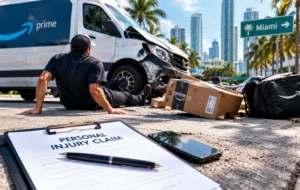
Common Injuries in Miami Self-Driving Vehicle Accidents
A collision involving an autonomous vehicle can cause serious injuries to passengers, motorists, pedestrians, and cyclists. The severity of the injuries often depends on the force of impact, the type of collision, and the protection available to the people involved.
Common injuries may include:
- Traumatic brain injuries and concussions
- Neck injuries and whiplash
- Spinal cord injuries and back trauma
- Broken bones and fractures
- Internal injuries and organ damage
- Cuts, bruises, and soft-tissue injuries
- Shoulder, knee, and other joint injuries
- Permanent disabilities and reduced mobility
- Emotional distress and psychological trauma
Some injuries require emergency treatment, surgery, rehabilitation, or long-term medical care. Other symptoms may not become apparent until hours or days after the collision.
Seeking prompt medical attention is important after an accident, even if your injuries initially appear minor. Medical records and treatment documentation can also help establish the nature and extent of your injuries.
Understanding Liability in Self-Driving Vehicle Accident Claims
1. Determining Who Is Responsible
An accident involving a self-driving vehicle does not automatically establish that the vehicle manufacturer or autonomous service provider is legally responsible. Liability depends on the circumstances of the collision, the evidence, and the applicable law.
Potentially responsible parties may include the vehicle owner, an autonomous vehicle service provider, another motorist, a manufacturer, a software provider, or a supplier of a defective component. In some cases, multiple parties may share responsibility.
Investigators may need to review police reports, witness statements, photographs, video footage, vehicle records, and automated driving system data to determine how the collision occurred.
Florida Statute § 316.85 addresses the operation of autonomous vehicles and provides that an engaged automated driving system is deemed to be the operator for purposes of Florida traffic laws, subject to the statute’s terms. How this provision affects a specific personal injury claim requires a fact-specific legal analysis.
2. Understanding Autonomous Vehicle Insurance Coverage
Florida has specific insurance requirements for certain fully autonomous vehicles operating on an on-demand autonomous vehicle network or during a prearranged ride.
Under Florida Statute § 627.749, a qualifying fully autonomous vehicle with its automated driving system engaged while logged on to an on-demand network or engaged in a prearranged ride must have automobile insurance that includes:
- At least $1 million in primary liability coverage for death, bodily injury, and property damage.
- Personal injury protection benefits meeting applicable Florida requirements.
- Uninsured and underinsured motorist coverage as required by Florida law.
The statutory requirements may be satisfied through insurance maintained by the vehicle owner, the autonomous vehicle network, or a combination of both.
These requirements apply under the circumstances specified by the statute. They do not guarantee that every injured person will receive a particular payment or that every autonomous vehicle accident falls under the same coverage rules.
An attorney can help identify potentially applicable policies, evaluate the circumstances of the crash, and determine which insurance coverage or legal remedies may be available.
3. Evaluating Software and Product Liability Issues
Some autonomous vehicle accidents may raise questions about the design, manufacture, software, maintenance, or operation of the vehicle.
Depending on the evidence, an investigation may examine whether a component failed, an automated driving system malfunctioned, or a software-related issue contributed to the collision.
A product liability claim requires more than showing that a vehicle was involved in an accident. The available evidence must support an applicable legal theory, such as a qualifying defect, and establish the required connection between that defect and the injuries.
Technical experts may be needed to evaluate system behavior, sensor performance, vehicle components, and other relevant evidence. The appropriate legal theory depends on the circumstances and applicable law.
4. Preserving Evidence After a Self-Driving Vehicle Accident
Evidence in an autonomous vehicle accident may include information that is not available in a conventional car accident. Sensor records, camera footage, system logs, and other electronically stored data may help reconstruct events leading up to the collision.
Important steps may include preserving photographs, obtaining the accident report, identifying witnesses, documenting vehicle damage, and recording the make, model, and identifying details of the vehicle involved.
Some electronic records may be controlled by a vehicle owner, manufacturer, or technology provider. Timely preservation requests or formal legal procedures may be necessary to obtain relevant information.
Early action can help reduce the risk that important evidence will be lost or become unavailable.
Compensation Available After a Self-Driving Vehicle Accident
A serious autonomous vehicle accident can create financial losses that continue long after the initial collision. Depending on the facts, applicable law, insurance coverage, and available evidence, an injured person may be able to pursue compensation for eligible damages, including:
- Medical Expenses: Emergency treatment, hospital stays, surgery, medication, rehabilitation, and reasonably necessary future medical care.
- Lost Wages: Income lost while recovering from accident-related injuries.
- Reduced Earning Capacity: Financial losses when injuries limit the ability to return to previous employment or earn the same income.
- Pain and Suffering: Compensation for physical pain and other legally recognized non-economic harm, where recoverable.
- Rehabilitation and Long-Term Care: Eligible expenses associated with ongoing treatment, physical therapy, or disability-related needs.
- Property Damage: Eligible repair or replacement costs for a damaged vehicle or other personal property.
- Wrongful Death Damages: Qualifying damages available to eligible survivors when a collision results in a death.
The compensation available in a particular case depends on liability, the nature and extent of the injuries, insurance coverage, and applicable law. No particular recovery can be guaranteed.
What to Do After a Self-Driving Vehicle Accident in Miami
Taking appropriate steps after an autonomous vehicle collision can help protect your health and preserve important evidence.
- Seek Medical Attention: Call 911 if necessary and obtain prompt medical evaluation. Follow your healthcare provider’s recommendations.
- Report the Accident: Contact law enforcement when appropriate and request information about the accident report.
- Document the Scene: If it is safe, photograph vehicle damage, road conditions, visible injuries, traffic signals, and the surrounding area.
- Gather Information: Record the vehicle’s make, model, identifying details, and available insurance information. Collect witness contact details when possible.
- Preserve Digital Evidence: Keep photographs, videos, dashcam footage, and relevant communications. Note the time and location of the collision.
- Notify Relevant Insurers: Follow applicable reporting requirements and notify your insurer as required by your policy.
- Keep Medical and Financial Records: Save medical bills, treatment records, wage documentation, repair estimates, and other records relating to your losses.
- Consult an Attorney: Seek legal guidance to evaluate liability, insurance coverage, evidence preservation, and the deadlines that may affect your claim.
Avoid making assumptions about fault or accepting a settlement before understanding the extent of your injuries and potential losses. Appropriate legal guidance can help you make informed decisions.
How Guzman & Kluck Can Help After a Self-Driving Vehicle Accident
An unexpected collision involving an autonomous vehicle can leave you facing medical treatment, financial pressure, and uncertainty about your legal options. Guzman & Kluck, PLLC provides legal guidance and strategic representation to help clients navigate complex legal matters.
When a self-driving vehicle accident results in serious injuries, understanding the available legal options can be an important first step. Depending on the circumstances, legal assistance may include:
- Reviewing the collision circumstances and available evidence
- Evaluating potential negligence and liability issues
- Identifying potentially responsible parties
- Reviewing applicable insurance policies and coverage questions
- Assessing potential product liability issues where supported by the evidence
- Helping organize medical records and documentation of financial losses
- Identifying relevant evidence preservation needs
- Explaining legal procedures and potential recovery options
Every accident is different, and the appropriate legal strategy depends on the injuries, evidence, parties involved, insurance coverage, and applicable law.
Speak With a Miami Self-Driving Vehicle Accident Lawyer Today
If you or someone you love has been injured in an accident involving a self-driving car, autonomous vehicle, or robotaxi in Miami, understanding your legal rights can help you make informed decisions about what comes next.
You may have questions about who is responsible, which insurance policy applies, and how to preserve the evidence needed to evaluate your claim. Obtaining legal guidance early can help clarify your options and reduce the risk of overlooking important deadlines.
Contact Guzman & Kluck, PLLC to discuss your situation and learn about the legal options that may be available to you.
Reach out to our office or complete our online contact form to request a consultation.
Protect Your Rights After a Miami Self-Driving Vehicle Accident
An accident involving autonomous vehicle technology can have lasting consequences for you and your family. Understanding your rights, preserving relevant evidence, and identifying potentially responsible parties can help you make informed decisions about pursuing a claim.
Guzman & Kluck, PLLC serves clients in Miami and surrounding South Florida communities. Contact our team to discuss your situation and learn about potential next steps.