
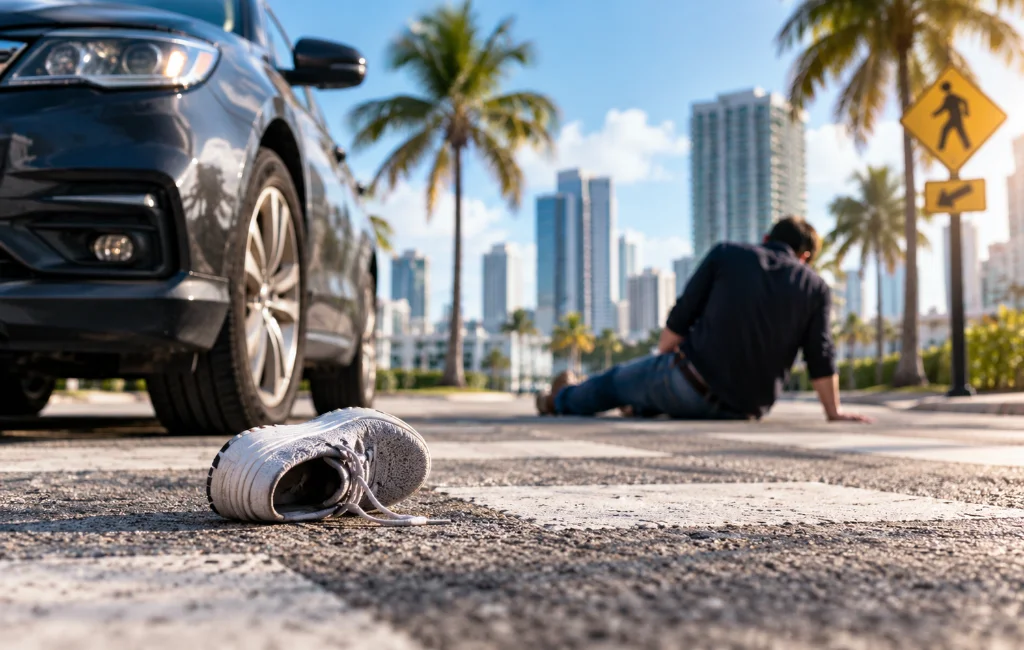
Pedestrian accidents in Miami can leave victims facing serious injuries, mounting medical bills, lost income, and uncertainty about their future. Busy intersections, distracted driving, speeding, and failure to yield can turn an ordinary walk into a life-changing event. Understanding your legal rights after a pedestrian accident is essential to protecting your health and financial interests.
Florida law allows injured pedestrians to pursue compensation when another party’s negligence causes their injuries. However, establishing fault, documenting damages, and dealing with insurance companies can be challenging. With guidance from an experienced personal injury attorney, victims can better understand their options and the steps required to pursue a claim.
What Causes Pedestrian Accidents in Miami?
Miami’s busy streets, tourist areas, residential neighborhoods, and high-traffic intersections create potential hazards for pedestrians. Many collisions occur because drivers fail to exercise reasonable care around people walking near roadways.
Common causes of pedestrian accidents include:
- Distracted driving: Drivers looking at phones, navigation systems, or other distractions may fail to notice pedestrians.
- Speeding: Excessive speed reduces reaction time and increases the severity of injuries.
- Failure to yield: Drivers may disregard pedestrians in marked crosswalks or when turning at intersections.
- Impaired driving: Alcohol or drugs can affect judgment, coordination, and reaction times.
- Poor visibility: Inadequate lighting, obstructed sightlines, and nighttime conditions can contribute to collisions.
- Unsafe backing or turning: Vehicles entering driveways, parking lots, or side streets can strike pedestrians who are difficult to see.
Identifying the cause of a crash helps determine who may be legally responsible and what evidence should be collected to support an injury claim.
General Statistics on Pedestrian Accidents
Pedestrian safety remains an important concern throughout Florida and the United States. National traffic statistics demonstrate the serious risks faced by people traveling on foot.
| General statistic | What it means for pedestrians |
| More than 7,000 pedestrian deaths were reported nationally in 2022 | Pedestrian fatalities remain a significant road-safety concern. |
| Thousands of additional pedestrians sustain injuries annually | Survivors may face hospitalization, rehabilitation, and lasting limitations. |
| Speed increases the likelihood of severe or fatal injuries | Lower vehicle speeds provide drivers more time to react and reduce impact severity. |
| Nighttime conditions create additional risks | Reduced visibility can make pedestrians harder for drivers to detect. |
Source: NHTSA
What Should You Do After a Pedestrian Accident?
The actions you take immediately after a pedestrian collision can affect both your recovery and your ability to pursue compensation.
- Seek medical attention. Call 911 when necessary and obtain a medical evaluation, even if your injuries initially appear minor. Some injuries develop symptoms later.
- Report the accident. Contact law enforcement and request that the collision be documented.
- Preserve evidence. Photograph the accident scene, vehicle damage, road conditions, traffic signals, and visible injuries when it is safe to do so.
- Collect witness information. Obtain names and contact details from anyone who saw the collision.
- Keep relevant records. Save medical bills, prescriptions, repair or transportation expenses, and documents showing missed work.
- Be careful with insurance statements. Avoid speculating about fault or accepting a settlement before understanding the extent of your injuries.
Prompt action can help preserve evidence and establish a clearer record of how the accident occurred.
Who Can Be Held Liable for a Pedestrian Accident?
Liability depends on the circumstances of the collision. A negligent driver may be responsible for injuries caused by speeding, distracted driving, or failing to yield. In some cases, other parties may also share responsibility, depending on their conduct and the facts of the incident.
Evidence that may support a pedestrian accident claim includes police reports, surveillance footage, photographs, witness statements, medical records, and available crash-reconstruction findings.
Florida follows a modified comparative negligence system. Under Florida Statutes Section 768.81, an injured person generally cannot recover damages if found to be more than 50% responsible for their own harm, subject to statutory exceptions. When the injured person is 50% or less at fault, compensation may be reduced according to their share of responsibility.
A lawyer can review the available evidence, evaluate potential liability, and explain how comparative fault may affect your claim.
What Compensation Can Pedestrian Accident Victims Recover?
Depending on the facts of the case, an injured pedestrian may seek compensation for several categories of damages, including:
- Medical expenses: Emergency treatment, hospitalization, surgery, medication, rehabilitation, and reasonably anticipated future care.
- Lost wages: Income lost during recovery and certain reductions in future earning capacity.
- Pain and suffering: Physical discomfort, emotional distress, and the impact of injuries on everyday life.
- Long-term care and disability: Qualifying expenses associated with lasting impairments and ongoing assistance.
- Other related losses: Additional documented financial harm resulting from the accident.
The amount recoverable depends on the severity of the injuries, available evidence, applicable law, and any allocation of fault. Compensation is not guaranteed, and insurance policy limits may also affect the outcome.
How Long Do You Have to File a Pedestrian Accident Claim in Florida?
Florida’s statute of limitations generally gives victims two years to file a negligence-based personal injury lawsuit, subject to exceptions and different rules for certain claims. Wrongful death claims and cases involving government entities may have additional requirements.
Missing the applicable deadline can prevent you from recovering compensation. It is therefore important to speak with a qualified attorney promptly after an accident. Early legal guidance also helps preserve witness accounts, obtain available surveillance footage, and organize medical documentation.
How Can a Pedestrian Accident Lawyer Help?
A pedestrian accident claim often involves complex liability questions, medical evidence, and negotiations with insurance companies. An experienced lawyer can investigate the collision, identify potentially responsible parties, calculate damages, and handle communications with insurers.
Guzman & Kluck is a Miami law firm that provides legal services in personal injury matters and insurance disputes. Its attorneys can help clients understand their legal options, assess the available evidence, and determine appropriate next steps after an accident.
When evaluating legal representation, look for a trusted attorney who communicates clearly, understands Florida personal injury law, and has the experience to address disputed liability and compensation issues. An expert legal assessment can help you make informed decisions about settlement offers and potential litigation.
What Should You Know Before Settling a Claim?
Insurance companies may offer a settlement before the full extent of an injury becomes clear. Accepting an offer too early can leave victims responsible for future medical expenses and other losses that were not adequately considered.
Before agreeing to a settlement, consider whether your treatment needs are understood, whether lost income has been documented, and whether the proposed amount accounts for the long-term impact of your injuries. Review any release carefully because a signed agreement may prevent further recovery for the same claim.
A careful evaluation of your injuries, financial losses, and legal rights can help you decide whether a settlement is appropriate.
Get Legal Guidance After a Miami Pedestrian Accident
Recovering from a pedestrian accident can be physically, emotionally, and financially demanding. Understanding the claims process, preserving evidence, and acting within applicable deadlines can help protect your interests.
Guzman & Kluck offers legal guidance for individuals dealing with personal injury matters and related insurance disputes in Miami. If you or a loved one has been injured in a pedestrian collision, consider speaking with a trusted lawyer to discuss your circumstances and available options.
FAQs
What should I do after a pedestrian accident in Miami?
Seek medical attention, report the accident to law enforcement, gather witness information, photograph the scene, and keep medical and financial records. Consult a pedestrian accident lawyer to understand your legal options.
How long do I have to file a pedestrian accident claim in Florida?
Florida generally allows two years to file a negligence-based personal injury lawsuit. Exceptions may apply depending on the circumstances, so consult an attorney promptly to confirm your deadline.
What compensation can I recover after a pedestrian accident?
Depending on the circumstances, compensation may include medical expenses, lost wages, reduced earning capacity, pain and suffering, rehabilitation costs, and other accident-related losses.
Can I recover compensation if I was partially at fault?
Yes, in many cases. Florida follows a modified comparative negligence rule. Generally, you may recover damages if you are not more than 50% responsible, but your compensation can be reduced according to your share of fault.
How can a pedestrian accident lawyer help with my claim?
A pedestrian accident lawyer can investigate the collision, collect evidence, determine liability, calculate damages, negotiate with insurance companies, and represent you in litigation when necessary. A law firm like Guzman & Kluck can help you understand your legal options and the claims process.